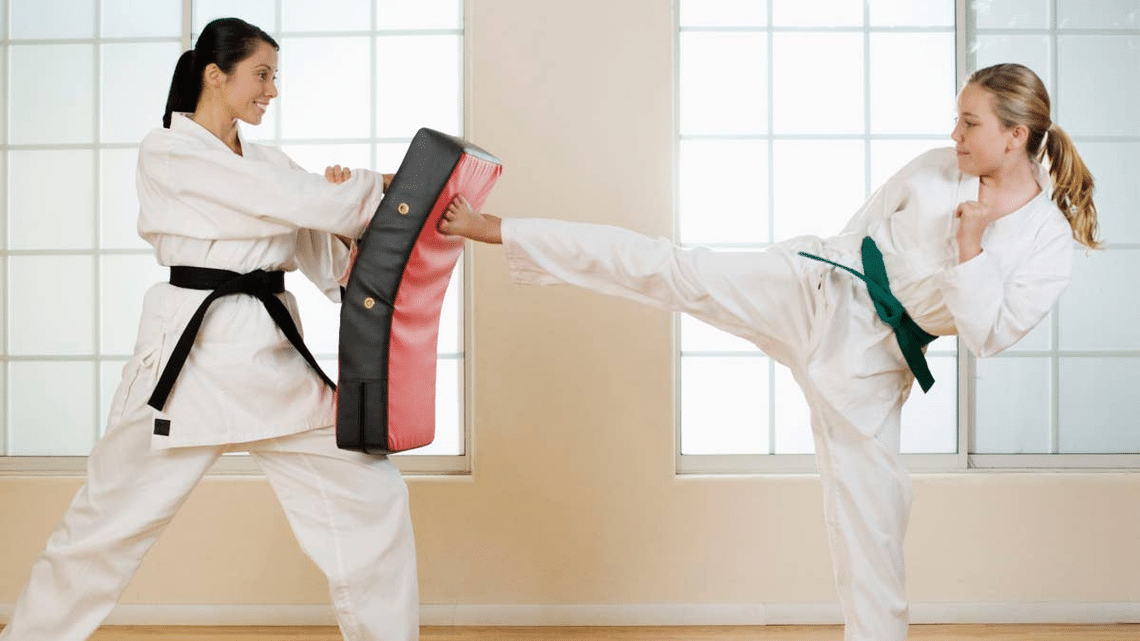
Self-defense training is not only about learning how to strike. A useful program helps people recognize danger, make better decisions under pressure, move efficiently, and create a chance to reach safety. It can also improve fitness, confidence, coordination, and awareness in everyday life. For students in Mortdale and nearby parts of Sydney, the right training environment should combine realistic practice with strong safety standards and respectful instruction.
People looking for a structured local program can explore SGS Krav Maga, which offers Krav Maga training for adults, children, teenagers, and women. Its approach includes practical scenarios, physical conditioning, and controlled exercises designed to help students prepare for situations they hope never occur while developing useful skills in a safe gym environment.
Understand what Krav Maga training is designed to teach
Krav Maga is commonly associated with practical self-defense rather than competition-focused techniques. Training may cover awareness, avoidance, defensive movement, fighting skills, and protecting another person when appropriate. The aim is not to encourage confrontation. In many situations, the safest response is to notice a problem early, create distance, seek help, and leave before violence begins.
When physical action cannot be avoided, students need simple skills that can be recalled under stress. Repetition, realistic positioning, verbal responses, and decision-making drills can help make training more practical than memorizing a long sequence that only works in a cooperative demonstration.
Realistic does not mean reckless
A self-defense class should challenge students without creating unnecessary injuries. Realistic training is built through controlled intensity, protective equipment, clear instructions, and instructors who monitor behavior on the mat. Partners should understand the exercise, respect boundaries, and stop when a safety issue arises.
A clean, well-ventilated training space and suitable protective equipment support a better learning environment. Students should be able to ask questions, work at an appropriate level, and progress without feeling pressured to prove themselves through unsafe behavior. A gym’s culture matters as much as its advertised techniques.
Build awareness before physical skills
Many self-defense situations involve warning signs that appear before an assault. Awareness training can include observing exits, noticing changes in another person’s behavior, maintaining a safe distance, and avoiding distractions in unfamiliar environments. These habits are useful whether someone is walking to a car, waiting for public transport, or attending a crowded event.
Students can also practice clear verbal communication. A confident voice, firm boundary, and request for help may discourage some situations from escalating. Training should reinforce that there is no shame in leaving, calling emergency services, or asking other people for assistance.
Improve fitness through purposeful practice
Krav Maga classes can provide a varied workout involving footwork, striking pads, balance, mobility, reaction speed, and short bursts of effort. Regular practice may help improve cardiovascular fitness and functional strength while keeping sessions connected to a clear purpose.
Fitness does not need to be a prerequisite for joining. Beginners can start at a manageable pace and build capacity gradually. Coaches should offer modifications for different ages, abilities, and training histories. Progress may mean moving with more control, recovering faster, maintaining balance, or staying focused when tired—not simply hitting harder.
Create supportive women’s self-defense training
Women may face situations with differences in size, strength, or social expectations. Women’s self-defense classes can provide a focused environment to discuss common concerns, practice boundaries, and work through scenarios in a supportive group. Training can include techniques and tactics for creating space, escaping holds, protecting vulnerable areas, and getting to safety.
The objective should not be to suggest that women are responsible for preventing violence. Responsibility belongs to the person who chooses to cause harm. Self-defense education can instead provide information, confidence, and options while respecting each student’s comfort and experience.
Introduce children and teenagers thoughtfully
Young people need age-appropriate instruction. Children’s classes can focus on awareness, listening to trusted adults, using a strong voice, recognizing uncomfortable situations, and seeking help. Teenagers may benefit from additional discussion about peer pressure, public spaces, digital interactions, boundaries, and decision-making.
Instructors should use clear language and controlled activities rather than frightening students. Parents can ask how the program handles contact, supervision, behavior, and communication. A positive class should teach confidence without encouraging bullying, aggression, or the idea that every disagreement should become physical.
Explore performance training with a clear purpose
Specialized equipment can add useful feedback to a training program. SGS highlights its PowerKube Combat Performance Center, which is designed to measure factors such as striking efficiency, speed, power, and athletic endurance. Objective feedback may help athletes understand progress and identify areas for development.
Performance tools should complement, not replace, practical decision-making. A strong strike score does not automatically equal effective self-defense. Awareness, movement, timing, communication, recovery, and judgment remain important parts of a complete training approach.
Choose the right training environment
Before joining a gym, visit a class or ask whether a trial session is available. Observe how instructors explain exercises, correct technique, manage different ability levels, and respond to inappropriate behavior. Ask about class schedules, age groups, equipment, progression, payment arrangements, and what new students should bring.
A good program should make beginners feel welcome while still offering a path for students who want more advanced physical or tactical challenges. Consistency is important because self-defense skills develop through regular practice rather than a single workshop.
Make safety and responsibility part of the lesson
Self-defense training should always respect local law and the principle of using only reasonable action to reach safety. Students should understand that techniques may have serious consequences and should not be used to intimidate others or settle ordinary disputes.
The most valuable outcome is often greater awareness and confidence, not a desire to fight. With regular, supervised practice, people can become fitter, more alert, and better prepared to respond calmly when plans change or a situation feels unsafe. A practical Mortdale training program can provide those benefits while building a respectful community around lifelong learning.